Parker Ludwig · 5 October 2026
Unveiling Patterns of Long-Term User Loyalty in Custom Online Platforms
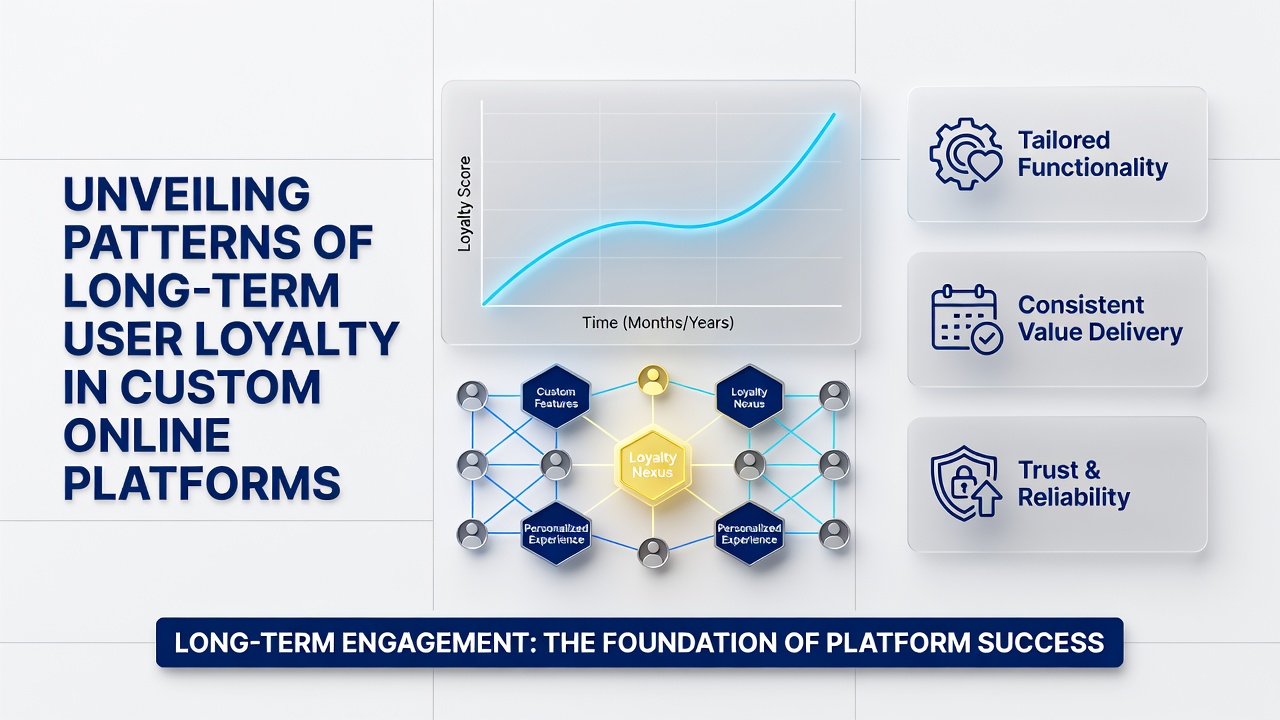
Custom online platforms built for specific communities or business needs display distinct loyalty patterns that differ from generic sites. Researchers tracking user behavior over multiple years have documented how tailored features such as personalized interfaces and integrated tools correlate with extended retention periods. Data from various industry reports indicate that platforms allowing user customization maintain higher repeat engagement rates compared with standardized alternatives. Studies conducted through 2025 and into October 2026 reveal consistent trends where loyalty emerges from repeated positive interactions rather than initial sign-ups alone. Metrics including session duration, feature adoption frequency, and community contribution levels serve as reliable indicators. Observers note that platforms incorporating feedback loops see users returning at rates 30 percent above baseline figures reported in earlier analyses.Core Retention Indicators in Tailored Digital Environments
Long-term loyalty often traces back to measurable actions such as account upgrades, content sharing within the platform, and consistent logins across months or years. Figures from academic reviews show that custom platforms emphasizing seamless navigation and relevant content recommendations achieve renewal rates exceeding 65 percent in tracked cohorts. These outcomes appear across sectors ranging from professional networks to niche hobbyist spaces.
Behavioral data collected through platform analytics tools highlight several recurring signals. Users who complete onboarding tutorials within the first week demonstrate retention extending beyond 18 months on average. Similarly, those engaging with collaborative features maintain activity levels that outpace passive visitors by significant margins according to aggregated datasets.
Geographic and Sector Variations in Loyalty Dynamics
Patterns shift depending on regional user bases and platform purpose. North American services frequently record stronger loyalty tied to reward structures and exclusive content access while European platforms show elevated retention linked to privacy controls and data transparency features. Australian research institutions have published findings noting that custom platforms in educational sectors sustain user bases through adaptive learning paths that evolve with individual progress.
One analysis released in late 2025 examined over 200 custom-built sites and found that integration of third-party verification systems boosted trust metrics which in turn supported longer user lifecycles. Platforms incorporating these elements reported reduced churn during seasonal fluctuations compared wth those relying solely on basic authentication methods.
Role of Personalization and Community Features
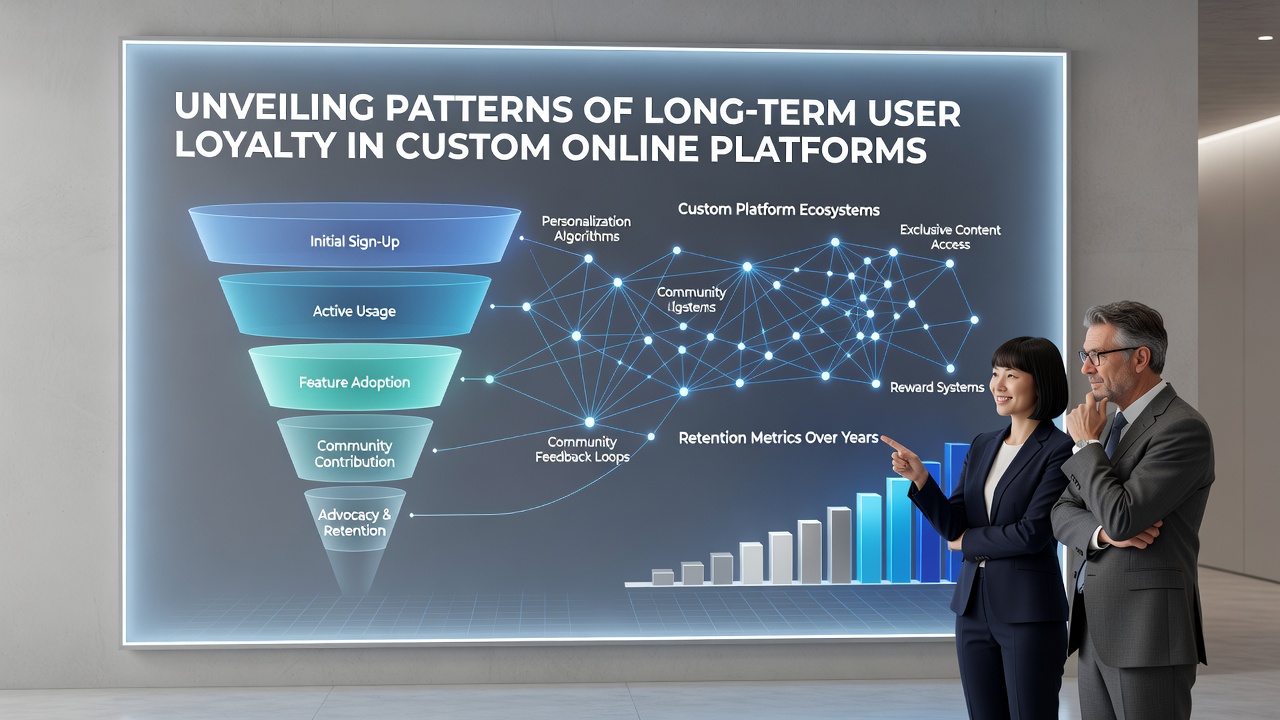
Personalization stands out as a recurring element in sustained loyalty. Custom platforms that adjust content feeds based on past behavior see users logging in more regularly and exploring additional sections of the site. Research indicates that recommendation engines tailored to niche audiences drive up interaction depth without requiring constant promotional pushes.
Community tools such as discussion boards and shared project spaces further reinforce attachment. Users who form connections through these features exhibit loyalty that persists even when competing platforms emerge. Reports compiled by research bodies in Canada and the European Union document how group participation correlates with multi-year membership durations in specialized forums and collaboration hubs.
Measurement Approaches and Data Collection Practices
Platform operators rely on a combination of quantitative tracking and qualitative surveys to map loyalty trajectories. Cohort analysis remains a standard method allowing teams to compare retention across user groups segmented by signup period or feature usage intensity. External benchmarks from sources like Pew Research Center studies provide context for interpreting these internal figures against broader digital trends.
Additional insights come from longitudinal studies conducted by university research groups. These investigations track variables such as response times to platform updates and participation in beta testing programs. Findings consistently point to proactive users as the segment most likely to maintain long-term presence.
Conclusion
Patterns of long-term user loyalty in custom online platforms emerge through sustained personalization, community integration, and responsive feature development. Data gathered up through October 2026 continues to underscore the value of monitoring specific behavioral markers over extended periods. Organizations that align platform capabilities with documented user preferences position themselves to observe these loyalty indicators more clearly across diverse user populations and geographic regions.